The Silence Between Releases Is Killing Your Momentum
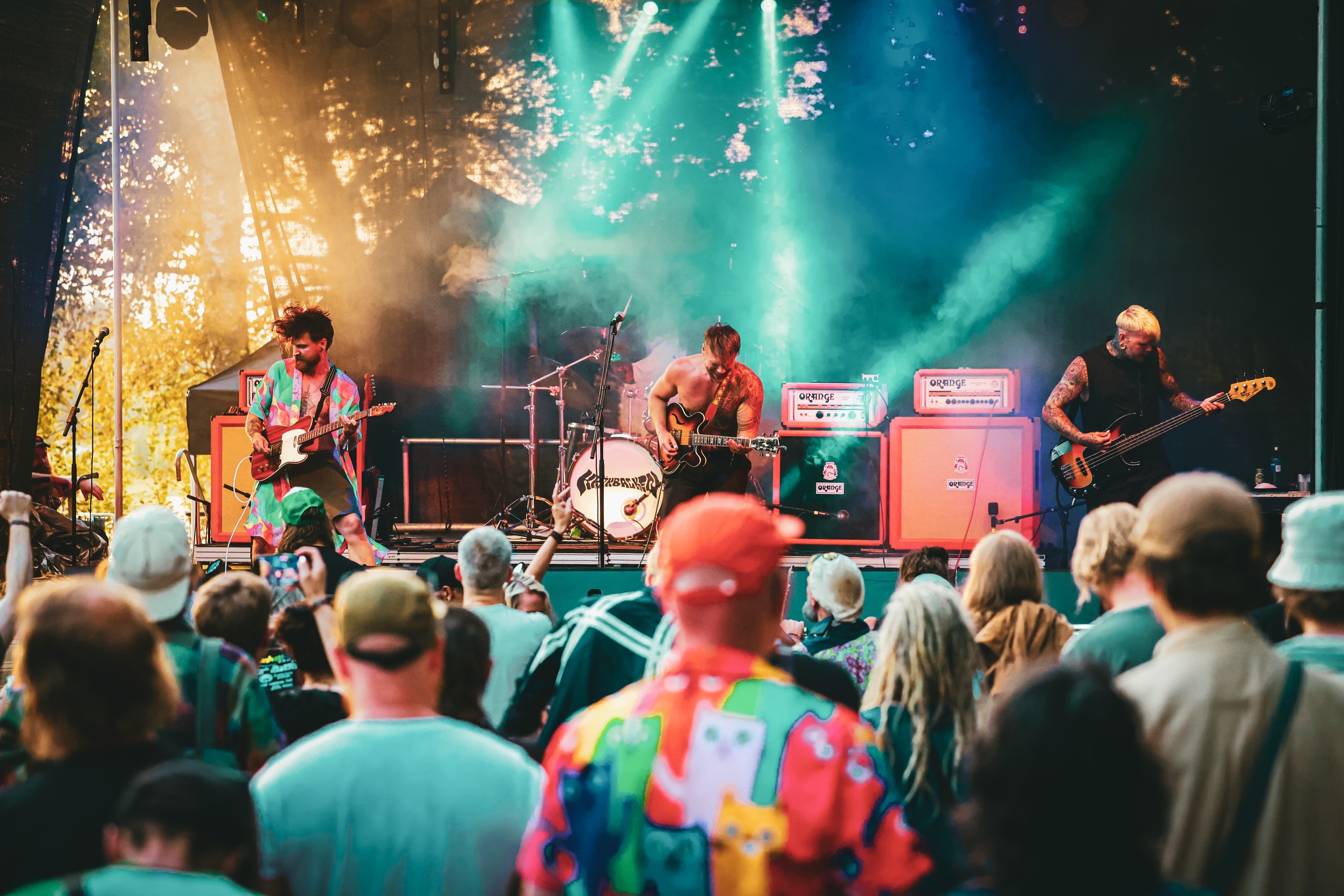
Most indie bands are invisible for 47 weeks a year. They drop a single, blast their socials for a few days, maybe send one email to their list, and then disappear into the void until the next release cycle. And then they wonder why nobody shows up when they finally have something to say.
This isn't a motivation problem. It's a bandwidth problem. You're a musician, not a content strategist. Writing a coherent, on-brand weekly update that actually says something worth reading takes time, editorial judgment, and a working knowledge of what's happening in your genre right now. Most artists don't have any of those things sitting around on a Tuesday afternoon.
That's the problem Indiependr's AI Manager is built to solve. And it's worth explaining exactly how it works, because the mechanism is more interesting than the elevator pitch.
What "AI-Written Band Updates" Actually Means
The phrase "AI writes your content" has been so thoroughly abused by SaaS marketing that it's basically meaningless now. So let's be specific about what's actually happening here.
The system runs on a data-gathering layer that pulls from multiple live sources before a single word gets written. It's reading current industry news segmented by genre, tracking platform activity like scheduled posts and studio usage, monitoring what's trending in your specific corner of the music world, and synthesizing a forward-looking forecast for the next few weeks. Then it writes a weekly update that's actually grounded in something real, not just a generic "stay authentic, post consistently" pep talk.
Take what the system is seeing right now in the psychedelic rock space. Djo's "The Crux" and Briston Maroney's recent output are pulling psych-adjacent sounds into genuine mainstream visibility. Earmilk is actively covering emerging atmospheric psych acts. Regional scenes in Athens, Cincinnati, and Detroit are generating real press and festival slots. That's actionable intelligence, and it's the kind of thing that should be informing what a psych rock artist writes about this week. The AI Manager knows this. It weaves it in.
The result is a weekly update that reads like it was written by someone who actually follows the industry, not like it was generated by a bot that's never heard a Spacemen 3 record.
The SEO Angle Nobody Talks About Enough
Here's the thing most artists completely ignore: consistent, well-written content about your band and your genre is one of the most underrated SEO plays available to an independent musician right now. Google still indexes this stuff. Music blogs still get discovered through search. Your own website, if you're actually publishing to it regularly, can become a real discovery channel over time.
The bands on Indiependr are already generating weekly published content. Titles like "Psych Rock Is Surging: Here's What Artist Needs to Know This Week" and "Riding the Psychedelic Wave and Building Real Community" aren't just internal newsletters. They're indexable, shareable documents that signal to search engines that this artist is active, relevant, and connected to a specific genre conversation.
Sixty Music Studio workflow runs and 16 scheduled social posts are already moving through the platform. That activity creates a content trail. The AI Manager turns that trail into narrative, and narrative turns into discoverability. It compounds over time in a way that a single well-placed Spotify pitch never will.
Compare that to the artist who posts nothing between releases. Their digital footprint is frozen. They're essentially invisible to anyone who wasn't already following them.
What Gets Written, Specifically
The weekly updates aren't generic newsletters. The system is pulling real data points and shaping them into something that sounds like a dispatch from an actual artist with an actual perspective. The "Beam Me Up, Indie" format, the "Cosmic Currents" framing, the "Ancient Wheel Turns" mythology, these aren't random. They reflect the aesthetic identity of the artists they represent, and the AI maintains that voice week over week.
This matters more than people realize. Voice consistency is one of the hardest things for independent artists to maintain, especially when they're writing their own updates sporadically and under pressure. The AI Manager doesn't get tired. It doesn't write something off-brand because it's 11pm and you have a session at 9am. It holds the tone.
The system also incorporates a forward-looking forecast layer. Right now, for example, the intelligence coming through suggests the next two to six weeks are a high-leverage window for artists willing to lean into superfan culture and world-building rollouts rather than traditional promo. That's not a vague observation. That's a specific strategic signal that should be shaping what artists are communicating to their audiences right now. The AI Manager bakes that in automatically.
Automatic Publishing Is the Part That Actually Changes Behavior
Data gathering is useful. Good writing is useful. But the piece that actually breaks the cycle of inconsistency is automatic publishing. The update doesn't sit in a draft folder waiting for you to find 20 minutes to review and post it. It goes out. On schedule. Every week.
This sounds small. It is not small. The difference between an artist who publishes consistently and one who publishes sporadically is almost entirely a function of friction, not intention. Everyone intends to stay in touch with their audience. Almost nobody actually does it week after week without a system that removes the manual steps.
The Indiependr platform is built around this idea that the infrastructure should do the heavy lifting so the artist can focus on the actual creative work. Four active email mailboxes, 16 scheduled social posts, 60 studio workflow runs, these aren't vanity metrics. They're evidence that the system is running in the background while the artists are doing something more important.
This Isn't About Replacing Your Voice
The obvious objection is authenticity. If an AI is writing your updates, are they really yours? It's a fair question, and the honest answer is: it depends on how you use the system.
The AI Manager works best when it's amplifying a voice that already exists, not inventing one from scratch. The more an artist has defined their aesthetic, their narrative, their relationship with their audience, the better the output gets. It's not a ghostwriter you've never met. It's closer to a very well-briefed publicist who reads everything, never sleeps, and charges $19 a month.
And look, the alternative isn't "write deeply personal, handcrafted updates every week." The alternative, for most independent artists, is silence. Given that choice, I'll take the AI-assisted dispatch every time.
The industry forecast is clear on this: artists who treat their audience as collaborators and maintain consistent communication are seeing compounding returns across every release cycle. World-building works. Mystery-driven rollouts work. But you can't build a world if you only show up twice a year. You need the weekly signal. You need the ongoing presence.
The Indiependr lab is where a lot of this infrastructure is being developed and tested in real time. If staying visible between releases without burning out your entire creative bandwidth sounds like something your project actually needs, Indiependr is where we're building it.