Here's what nobody tells you about music distribution in 2026: the game isn't about getting your music everywhere anymore. It's about getting it in front of the right people, and most distributors are spectacularly bad at this.
I've watched hundreds of artists throw their albums into the digital void through DistroKid, CD Baby, or TuneCore, only to watch them disappear into Spotify's 100,000+ daily uploads. They're paying for the privilege of being ignored at scale.
The Distribution Delusion
The dirty secret of modern distribution is that it's become a commodity business masquerading as artist services. Upload your tracks, pay your fee, and boom—you're on every platform from Spotify to Tidal. Sounds great, right?
But here's the problem: being everywhere means nothing if you're nowhere that matters. I've seen psychedelic rock bands—a genre that's actually seeing renewed interest through garage rock crossover acts—get lost in the shuffle because their distributor treated them like just another SKU in the catalog.
The platforms know this. Spotify's algorithm doesn't care that you uploaded through AWAL versus DistroKid. It cares about engagement, playlist adds, and whether people actually finish your songs. And that's where most distribution strategies fall apart.
What Actually Moves the Needle
Smart artists in 2026 are thinking distribution differently. Instead of carpet-bombing every platform, they're being strategic about where their audience actually lives.
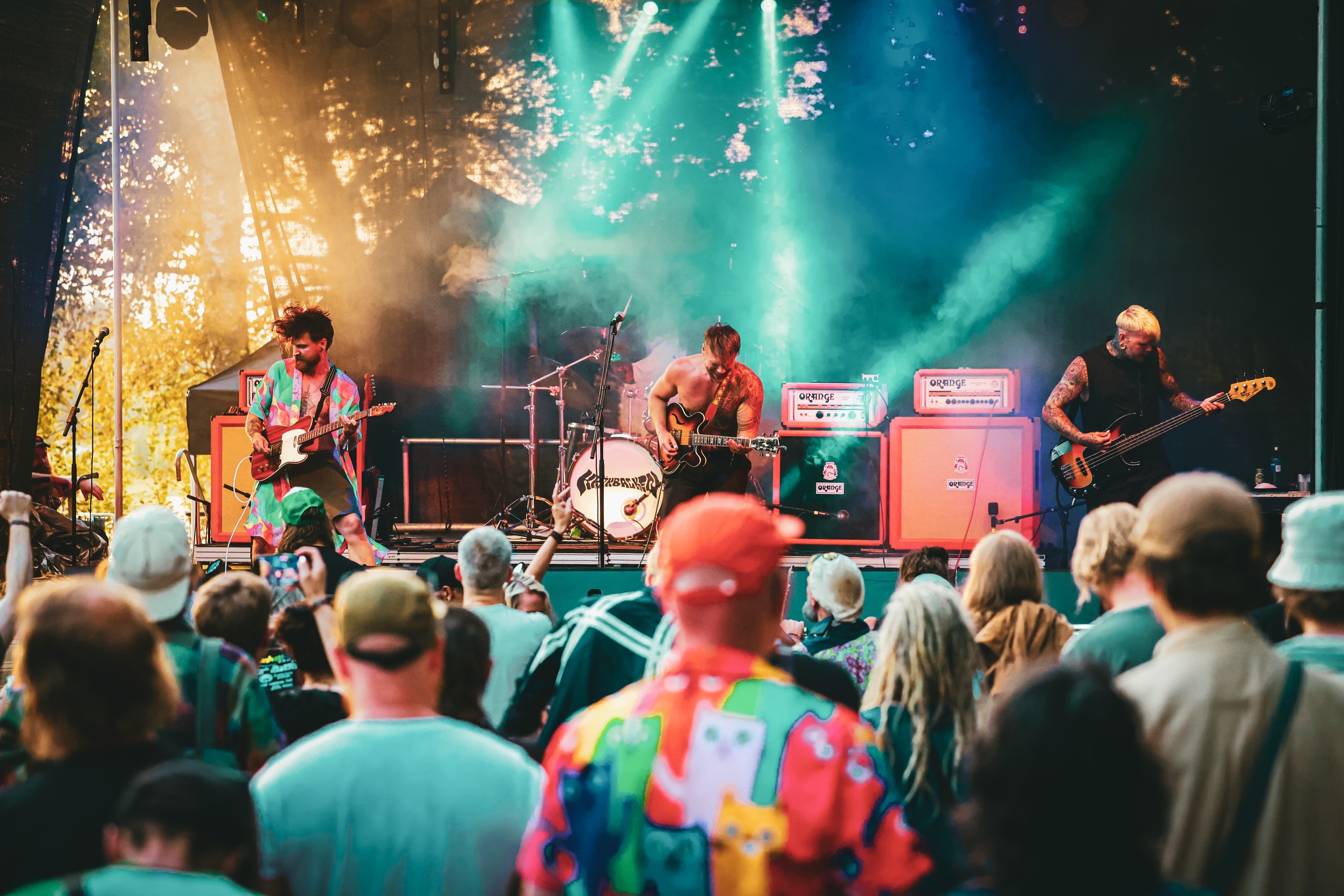
Take the recent surge in regional festival bookings for psychedelic acts. These festivals aren't finding bands through Spotify's new release radar—they're discovering them through local album release events and venue partnerships. The artists getting these slots understand that distribution isn't just about DSPs.
The most successful independent artists I know are using distribution as one piece of a larger strategy that includes:
- Direct fan relationships through email lists and social platforms
- Strategic playlist pitching to curators who actually care about their genre
- Physical and limited digital releases that create scarcity
- Partnership with venues and local scenes for grassroots momentum
This isn't revolutionary stuff, but it requires thinking beyond the "upload and pray" mentality that most distributors encourage.
The Royalty Reality Check
Let's talk money. The standard distribution deal gives you 85-91% of your streaming royalties after the platform takes its cut. Sounds fair until you realize what those royalties actually amount to.
Spotify pays roughly $0.003-$0.004 per stream. Apple Music is slightly better at around $0.007. Even if you keep 90% of that through your distributor, you need massive numbers to see meaningful income. We're talking hundreds of thousands of streams just to cover your distribution fees and basic promotion costs.
But here's what's interesting: artists who build direct relationships with their fans can charge premium prices for exclusive content, merchandise, and experiences. A psychedelic rock band with 5,000 engaged fans can make more money than one with 500,000 passive Spotify streams.
The distributors pushing the "get rich from streaming" narrative are selling you a fantasy. The real money is in everything around the streams.
Platform Strategy That Actually Works
Instead of treating all platforms equally, successful artists are making strategic choices about where to focus their energy.
Bandcamp remains the best platform for building a sustainable fan base. The audience there expects to pay for music, and the discovery mechanisms actually work for independent artists. Plus, you keep 85-90% of sales revenue, not streaming pennies.
SoundCloud is underrated for genre-specific scenes. The psychedelic rock community is particularly active there, with playlist curators and tastemakers who can't be reached through traditional Spotify pitching.
For mainstream streaming, focus on one or two platforms where your audience actually listens. Don't spread yourself thin trying to optimize for every service.
The Direct Upload Question
Spotify for Artists and Apple Music for Artists now allow direct uploads in certain markets. This cuts out the distributor middleman entirely, but it's not necessarily better for most independent artists.
Direct upload gives you more control and higher royalty percentages, but you lose the aggregator's customer service and technical infrastructure. Unless you're already seeing significant streaming numbers, the administrative headache isn't worth the small royalty bump.
What's Coming Next
The distribution landscape is shifting toward more specialized services. We're seeing platforms emerge that focus on specific genres or artist development rather than pure commodity distribution.
The smart money is on services that combine distribution with actual artist development—playlist pitching, sync licensing opportunities, and direct fan relationship tools. Platforms like Indiependr are building exactly this kind of integrated approach.
Artists who succeed in this environment will be the ones who understand that distribution is just the beginning, not the end goal. Your music needs to be discoverable, but more importantly, it needs to be memorable enough that people seek it out again.
The future belongs to artists who can build direct relationships with their fans while strategically leveraging the reach of streaming platforms. It's not about being everywhere—it's about being unmissable where it counts.
If you're tired of throwing your music into the void and hoping for the best, Indiependr is building tools that actually help artists get heard. Because distribution without discovery is just expensive file hosting.