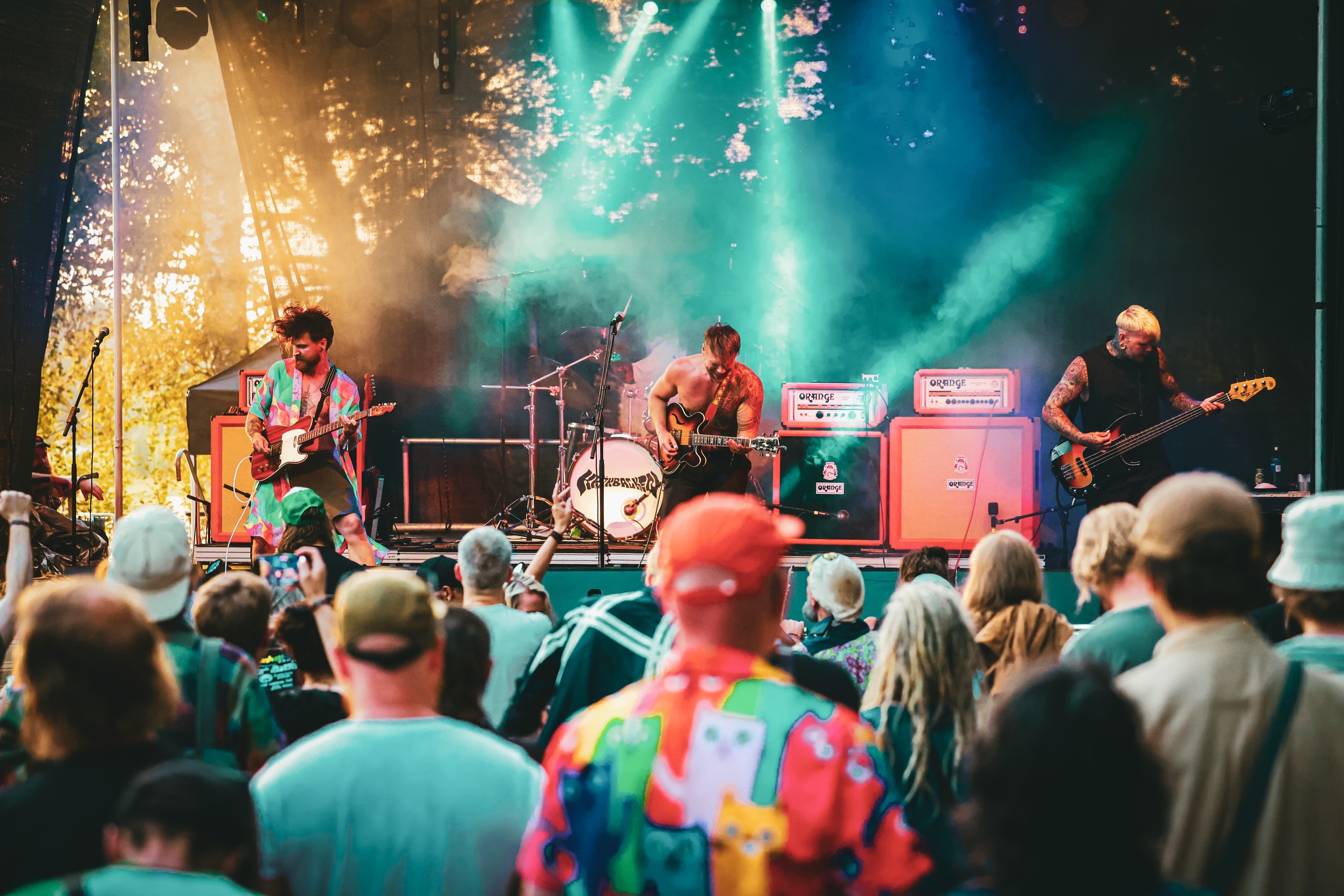
Western psychedelic rock acts are finding something unexpected in Hong Kong right now: actual paying audiences. Not streaming numbers. Not algorithmic playlist adds. Real people showing up to venues for garage-psych bands they've never heard of, just because the aesthetic hits right.
This matters more than it sounds like it does.
The Hong Kong Window Is Real (But Narrow)
According to recent market analysis, Hong Kong's appetite for vintage-aesthetic Western psych acts is creating a legitimate touring opportunity that didn't exist 18 months ago. The city's live music infrastructure has been quietly rebuilding after years of COVID restrictions and political uncertainty, and promoters are actively looking for acts that deliver immersive visual experiences alongside the music.
Translation: if you've got a light show and some reverb pedals, there's a six-week window here before everyone figures this out and the market gets saturated. The forecast data suggests this momentum could extend through Q2 2026, but that's optimistic. More likely, by summer you'll be competing with 40 other acts who read the same tea leaves.
What's interesting is why this is happening. Hong Kong audiences aren't chasing nostalgia for a scene they never experienced , they're responding to the tactile, analog aesthetics of psychedelic rock as a counterpoint to hyper-digital K-pop and Cantopop production. The genre's vintage gear fetishism and analog warmth read as authenticity in a market drowning in overproduced pop.
But here's the thing: you need to move fast. International touring logistics take 8-12 weeks to sort out properly, which means if you're thinking about this, you should be booking flights this month.
Genre Blending Isn't a Trend Anymore, It's Table Stakes
Back stateside, the psychedelic rock scene is fragmenting in interesting ways. The straight-ahead Tame Impala worship is dead. What's working now is psychedelic something , psych-folk, psych-cumbia, psych with spacious electronic beds underneath.
Cincinnati, Colorado, and Athens are all showing strong regional activity, which tells you the sound has legs outside the usual Brooklyn/LA/Austin circuit. These aren't coastal tastemaker scenes; they're landlocked cities with their own musical identities. When psychedelic rock takes root in Athens, GA, it's because the genre is flexible enough to absorb Southern indie rock DNA and still sound coherent.
The production takeaway: if you're making straight psych-rock records in 2026, you're already behind. The acts getting traction are the ones treating psychedelia as a production technique, not a genre boundary. Fold in cumbia rhythms. Add folk storytelling structures. Layer in ambient electronic textures. The audience doesn't care about genre purity , they care about whether the song is interesting.
This also explains why established artists are returning to the space after 8+ years away. The genre is malleable enough now to accommodate veterans who want to experiment without abandoning their core sound. When a rock act can take an extended break and come back to find psychedelic rock more welcoming than when they left, that's a sign of a healthy, evolving scene.
Music Videos Still Matter (Unfortunately)
Every psychedelic rock act breaking through right now has invested in visual content. Not iPhone footage of rehearsals. Actual music videos with concepts and production value.
This is annoying because music videos are expensive and time-consuming and most of them get 3,000 views. But the data is clear: in psychedelic rock specifically, visual content is the difference between playlist consideration and invisibility. The genre's aesthetic identity is so tied to visual culture , album art, light shows, vintage film grain , that curators and festival bookers expect to see the vibe, not just hear it.
The good news is that psychedelic rock's lo-fi aesthetic means you don't need a $50,000 budget. Practical effects, 16mm film stock, and creative lighting can get you 80% of the way there for under $2,000. The bad news is you actually have to do it. Spotify Canvas loops don't count. TikTok snippets don't count. You need a 3-4 minute video that establishes a visual world.
What This Week Actually Tells Us
Connect the dots: Hong Kong's interest in Western psych acts, regional festival integration in the US, and the dominance of genre-blending all point to the same underlying shift. Psychedelic rock is shedding its niche status and becoming a production aesthetic that crosses borders and genres.
This is good news for independent artists because it means you're not competing for scraps in an insular scene. The audience is broader than it was two years ago. But it also means the competition is stiffer. Everyone with a reverb pedal and a Jazzmaster thinks they're making psychedelic music now.
The window for easy wins is closing. If you're sitting on a psych-adjacent record and wondering whether to push it, the answer is yes, but move quickly. Book that Hong Kong tour. Shoot that music video. Submit to those regional festivals. The infrastructure is there right now, but it won't stay open forever.
Over at Indiependr, we're seeing this play out in real-time with the artists on the platform. The ones treating psychedelic rock as a living, evolving sound are finding traction. The ones treating it as a museum piece are getting ignored. The genre's flexibility is its strength right now, but that requires you to actually be flexible.
If this sounds like the kind of strategic thinking you need more of, that's what we're building at Indiependr , tools and infrastructure for artists who want to move fast without burning out. The industry's not waiting for you to catch up.