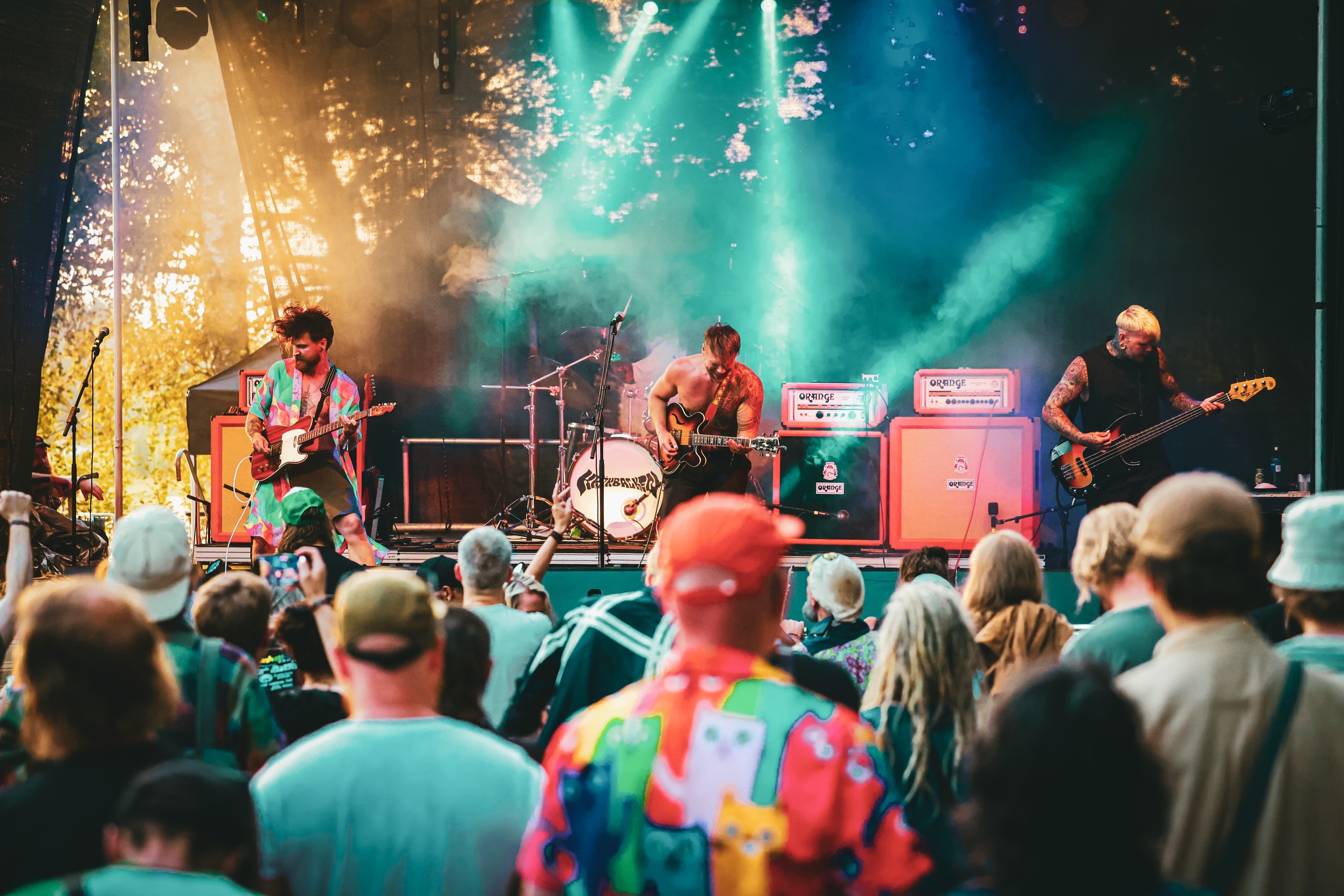
A solo artist in their bedroom produced a music video last month that looks like it cost $40,000. It cost them a weekend and about $60 in API credits. That's not a marketing pitch. That's just where we are in March 2026, and if you're still budgeting for a videographer and a location permit, you're operating on a timeline that the tools have already lapped.
The argument here is simple: AI video generation has crossed from "interesting experiment" to "actual production tool" in the last six months, and indie artists who figure out the workflow now are going to own a visual identity that labels used to spend tens of thousands building. The window is open. It won't stay open forever before everyone else catches up.
The Three Tools That Actually Matter Right Now
There's a lot of noise in this space. Half the tools that got breathless coverage in 2024 are either dead or irrelevant. What's left standing in early 2026 is a pretty clear hierarchy.
Wan 2.5 is the one serious people are sleeping on. It's an open-weight model from Alibaba's Wan team, and the fact that you can run it locally, or cheaply through a handful of API wrappers, makes it genuinely different from the rest. The motion coherence has improved dramatically from earlier versions. Characters don't melt. Hands are still occasionally cursed, but for abstract or stylized visual content, it's producing results that are frankly stunning for the cost. The catch is that it requires more technical comfort than most artists have. You're dealing with prompt engineering, aspect ratio configs, and sometimes a bit of ComfyUI wrangling. Not impossible. Just not plug-and-play.
Runway is the opposite end of that spectrum. Gen-3 Alpha Turbo is fast, polished, and the interface is clean enough that you can learn it in an afternoon. The output leans cinematic by default, which is either a feature or a problem depending on your aesthetic. Runway also has the best motion brush tool available right now, where you can literally paint which parts of an image should move and which should stay still. For a slow-burn ballad where you want a single image to breathe and shift, that's an incredibly powerful thing to have. The pricing adds up if you're generating a lot, but for a single release cycle it's manageable.
Sora is the one everyone has an opinion about because OpenAI launched it with maximum hype. The reality in production is more nuanced. Sora is genuinely excellent at long-form coherence, meaning if you need a 20-second clip that holds together narratively, it outperforms the competition. But it's also the most expensive per-generation, and the creative control is more limited than Wan or Runway. It's a great tool for specific moments in a video, not necessarily the right tool to build an entire visual project around.
The Actual Workflow (Not the Theory)
Here's what a real production pipeline looks like if you're doing this properly. You don't pick one tool and live there. You treat these like different instruments in a session.
Start with your storyboard. This is the step most people skip and then wonder why their video looks like a random dream sequence. Even if it's just five rough sketches on paper or a slide deck with descriptions, you need to know what each section of the song is supposed to feel like visually before you generate a single frame. Mood, color palette, whether you want figurative or abstract, fast cuts or slow dissolves. Decide this first.
Then use a still image generator (Midjourney, Flux, or Stable Diffusion) to develop your visual language. Generate 20 to 30 reference images until you find a consistent look. These become your seeds for video generation. Feeding a strong, consistent seed image into Wan 2.5 or Runway produces dramatically better results than prompting from scratch every time.
For motion, Runway's motion brush is your first stop for controlled, subtle movement. For more dramatic or stylized sequences, Wan 2.5 gives you more creative range if you're comfortable with the setup. Sora is worth reaching for when you need a longer, narrative-coherent clip, like a character walking through a landscape or a scene that needs to feel cinematic and continuous.
Edit everything in CapCut or DaVinci Resolve. Color grade to unify the clips. Add your audio. Export at 4K even if you're only posting to YouTube, because compression artifacts are less forgiving at lower resolutions.
The whole process for a three-minute video, done properly, is about 12 to 20 hours of work spread across a few days. That's a lot. But it's also a lot less than coordinating a shoot, hiring crew, and waiting three weeks for an editor to deliver.
Design Studio Is Where This Gets Interesting for Indiependr Users
The Design Studio at Indiependr is built around exactly this kind of integrated visual workflow. The idea is that your visual identity shouldn't be a separate project from your music project. It should be the same project. And the tools in the lab are oriented around helping artists develop a consistent aesthetic across everything from cover art to short-form video content, without needing to context-switch between six different platforms.
The Design Studio job count is still early, which honestly makes right now a good time to be experimenting there. The artists who figure out a platform's creative tools before the platform is crowded tend to develop stronger, more distinctive outputs. There's something to be said for building your visual language in a space that isn't already saturated with everyone else's aesthetic.
The Thing Nobody Tells You
AI video tools are good at generating images that move. They are not good at generating meaning. The artists producing compelling AI videos right now are the ones who come in with a strong creative vision and use the tools to execute it, not the ones who type a vague prompt and hope for something interesting.
The best AI music video I've seen this year was built around a single, specific visual metaphor that the artist had been thinking about for months. The AI didn't come up with the concept. It just made the concept possible to produce without a $50,000 budget. That's the real shift here. The barrier to execution has dropped. The barrier to having something worth saying hasn't moved at all.
With travel restrictions cutting into international festival bookings and streaming becoming the primary way indie artists reach global audiences, a compelling visual identity on YouTube and social platforms matters more than it did two years ago. A video that lives on the internet works for you indefinitely. A show you couldn't get a visa to play does nothing.
The tools exist. The workflow is learnable. And the artists who treat visual content as a core part of their release strategy rather than an afterthought are going to compound that advantage over every release cycle from here forward.
If this is the direction you're moving in, Indiependr is where we're building the infrastructure for exactly this kind of independent creative operation.